


 English
 Español
 Portugues
 Pусский
 Français
 Deutsch
 한국어
한국어 العربية
 Italiano
 Nederlands
 Polski
 ไทย
ไทย Türk dili
 हिन्दी
 Indonesia
 Melayu
 Tiếng Việt
 বাংলা
বাংলা


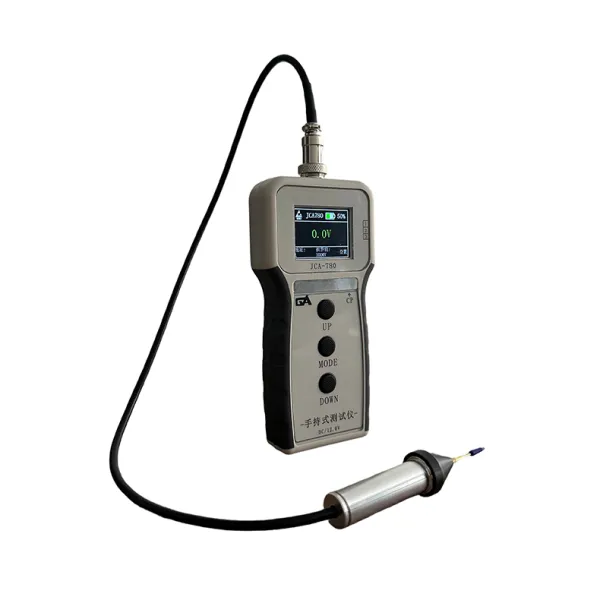



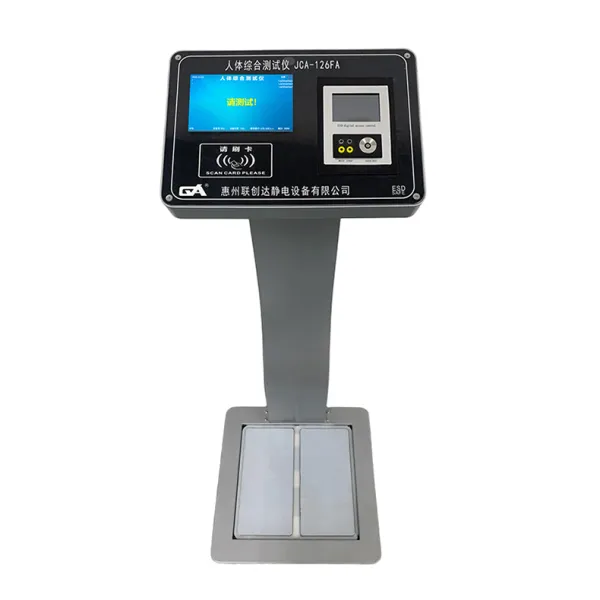
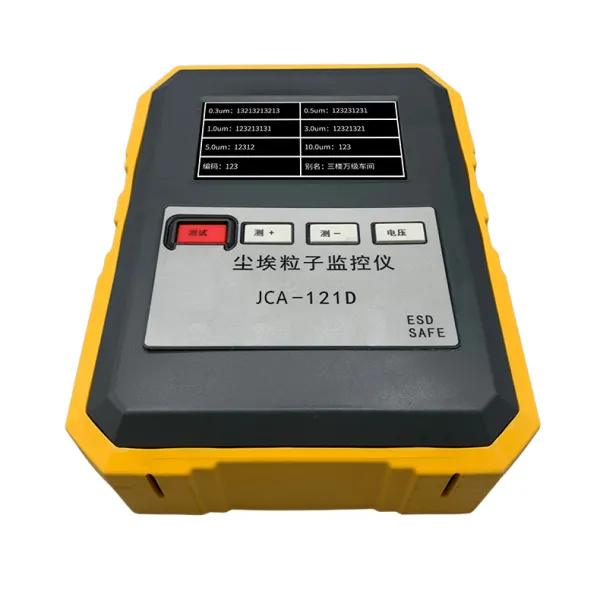
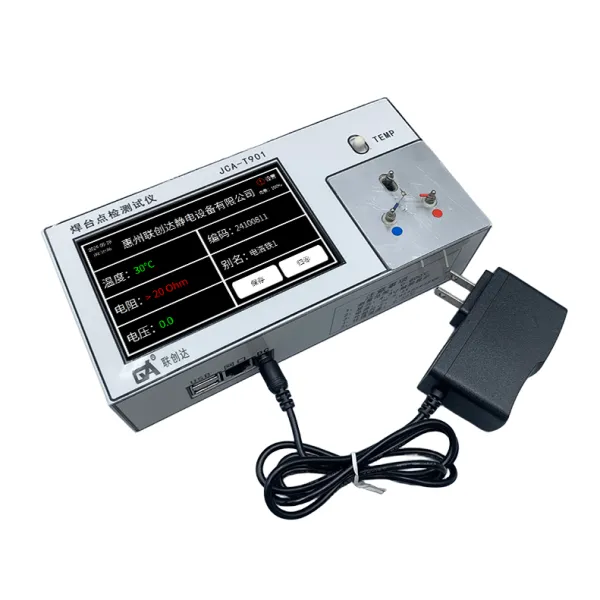
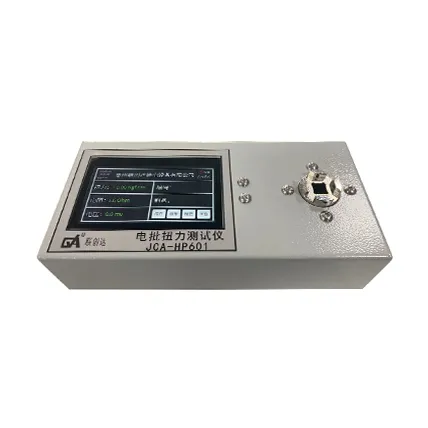
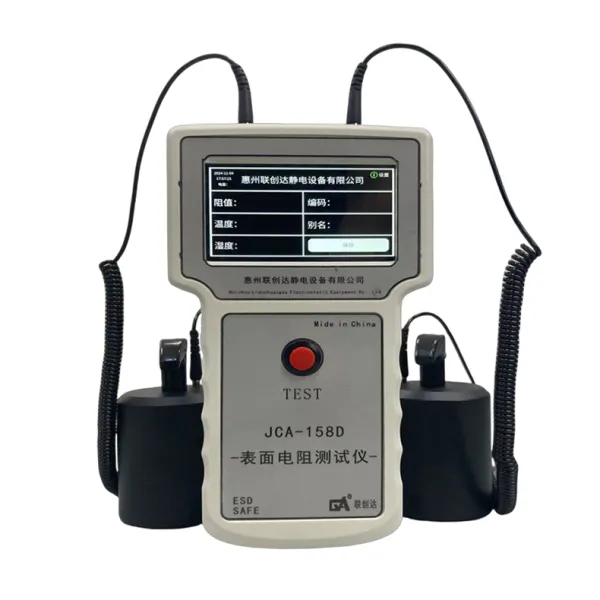
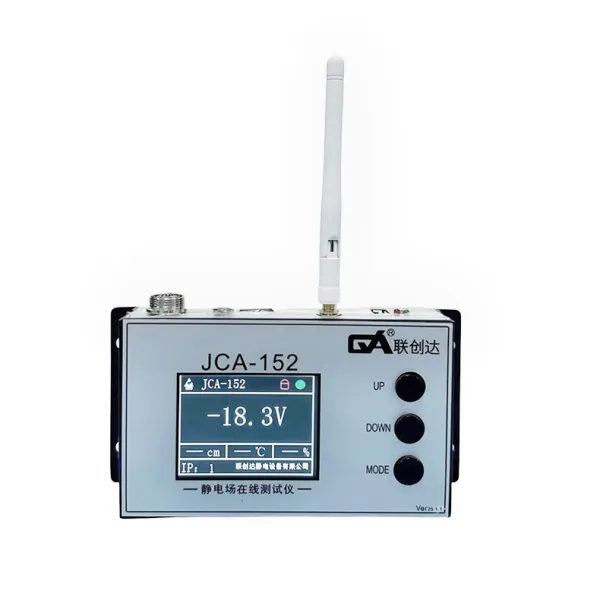



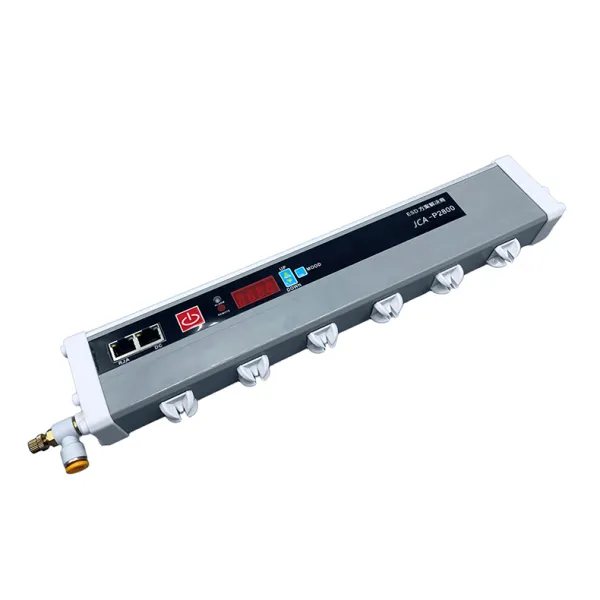
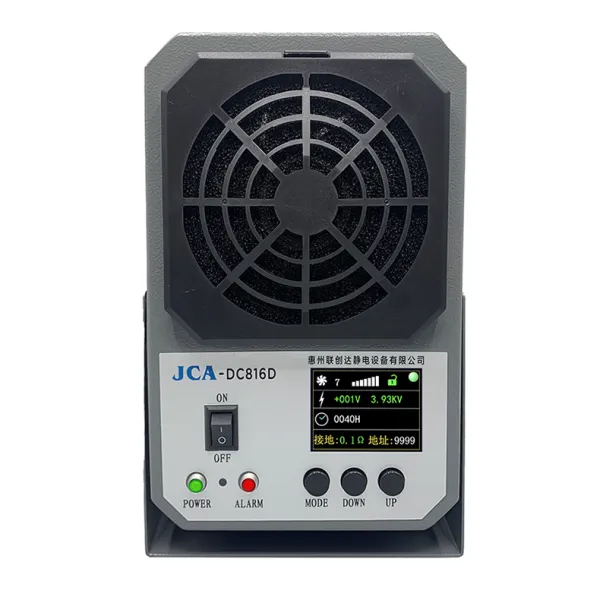

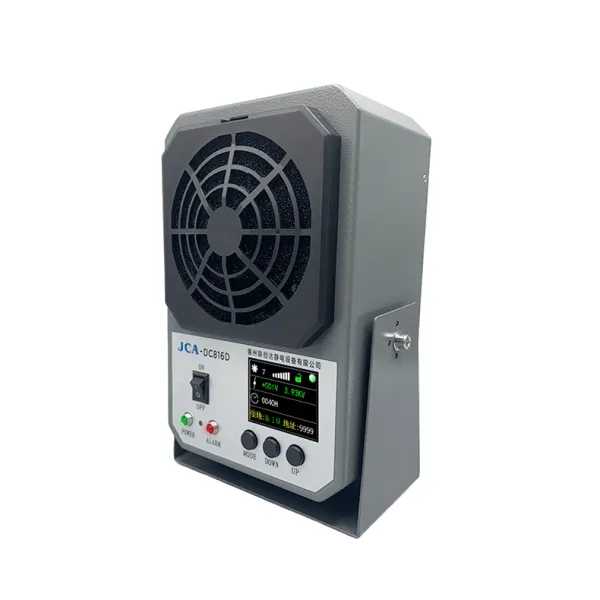
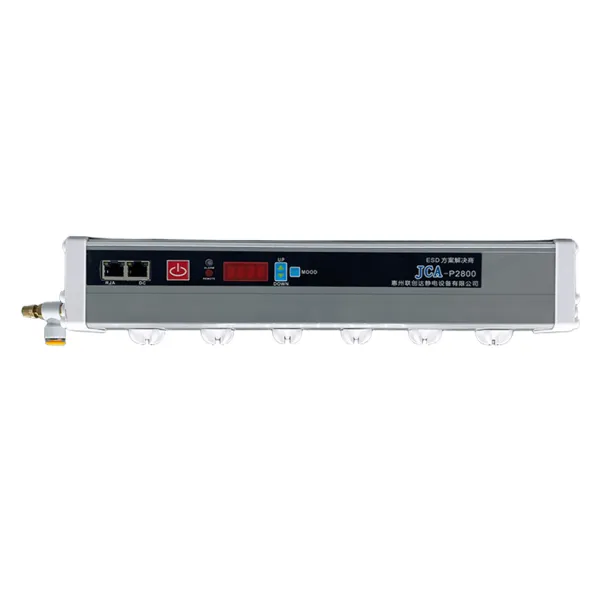

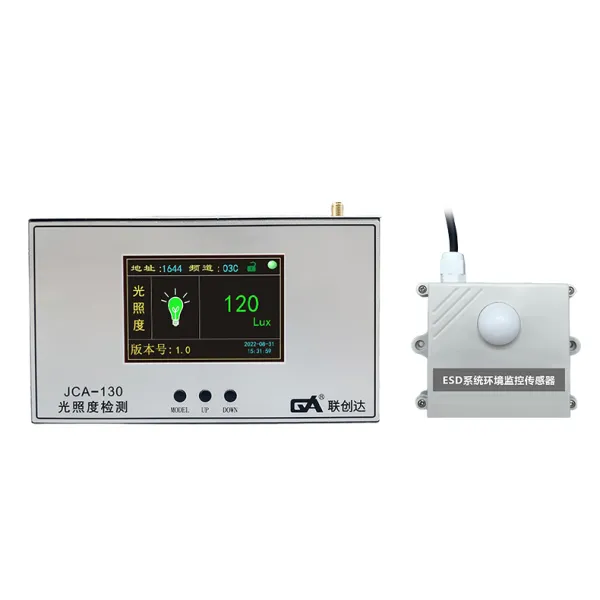



electrostatic volt meter
An electrostatic voltmeter is a precision instrument used to measure electric potential (voltage) without drawing significant current from the circuit under test. Unlike conventional voltmeters that rely on current flow to produce a deflection, electrostatic voltmeters operate based on the principle of Coulomb's law, where electrostatic forces between charged plates or elements generate measurable mechanical displacement. This makes them ideal for high-impedance circuits, high-voltage applications, and situations where minimal circuit loading is critical. Working Principle The core mechanism of an electrostatic voltmeter involves two conductive plates or electrodes—one fixed and one movable—separated by a small air gap or dielectric material. When a voltage is applied across the plates, an electrostatic force develops, causing the movable plate to deflect. The deflection is proportional to the square of the applied voltage (F ∝ V²), and this movement is translated into a readable measurement via a calibrated scale or digital readout. Since the device relies on electric fields rather than current flow, its input impedance is extremely high (often in the teraohm range), ensuring negligible power dissipation in the measured circuit. Some designs incorporate a null-balance technique, where an opposing voltage is applied to cancel the deflection force, improving accuracy. Key Features and Advantages 1. High Input Impedance – Draws almost no current, making it suitable for sensitive circuits and high-resistance sources. 2. Wide Voltage Range – Can measure from millivolts to hundreds of kilovolts, depending on design. 3. AC/DC Compatibility – Works with both direct and alternating voltages, though AC measurements may require frequency compensation. 4. Minimal Loading Effect – Unlike moving-coil or digital voltmeters, it does not disturb the circuit under test. 5. High Accuracy – Often used as a reference standard in laboratories due to low drift and excellent linearity. Applications - High-Voltage Testing – Used in power systems, insulation testing, and research involving high-potential measurements. - Electrostatic Field Analysis – Measures surface potentials in materials science, semiconductor testing, and electrophotography. - Precision Calibration – Serves as a secondary standard for verifying other voltmeters. - Space and Vacuum Environments – Operates effectively in conditions where traditional meters fail due to lack of air damping or extreme temperatures. Limitations - Nonlinear Scale – Due to the V² relationship, the scale is compressed at lower voltages and expanded at higher ranges. - Sensitivity to External Fields – Stray electrostatic interference can affect readings, requiring shielding. - Mechanical Fragility – Moving parts may wear over time or be damaged by vibration. Conclusion Electrostatic voltmeters remain invaluable in specialized applications where conventional meters fall short. Their ability to measure voltage without current flow makes them indispensable in high-impedance and high-voltage scenarios, ensuring precise, non-invasive measurements across scientific and industrial fields. Advances in digital signal processing have led to hybrid designs combining electrostatic principles with modern electronics, further enhancing their utility.
製品
カテゴリー:
検索結果はありません!
ニュース
カテゴリー:
-
[Industry news]Core Feature Selection Guide for Multi-Function Ion Fan Test...
2025-11-12 17:57:19
ケース
カテゴリー:
検索結果はありません!
ビデオ
カテゴリー:
検索結果はありません!
ダウンロード
カテゴリー:
検索結果はありません!
採用
カテゴリー:
検索結果はありません!
おすすめ商品
検索結果はありません!



 ワッツアップ
 電話
電話