Comparison of Static Electricity Testers: How to Choose the Right Tool for Your Needs
To select a static electricity tester that fits your requirements, first compare mainstream types based on core dimensions, then filter according to practical needs such as measurement objects, scenarios, accuracy, and budget. Below is a detailed comparison and selection method:
1. Core Dimension Comparison of Mainstream Static Electricity Testers
Static electricity testers are usually divided into contact-type and non-contact-type by measurement method, along with specialized models for specific scenarios. Different types vary significantly in performance and applicable scenarios, with specific comparisons as follows:
Type | Representative Instruments | Accuracy | Measurement Range | Core Advantages | Core Disadvantages | Applicable Scenarios |
Contact-type | Specialized static voltage testers, Surface resistance testers | High, basically unaffected by external environmental interference, and independent of the size of the measured object | Varies by model, mostly suitable for medium and small voltage range measurements | Direct contact with the measured object ensures stable measurement; no additional discharge damage to electrostatically sensitive objects | High price; contact with the measured object is required during operation, so extra caution is needed when operating fragile precision components | Electrostatically sensitive components such as semiconductors, ICs, wafers, and PCBs, as well as surface voltage testing of isolated conductors |
Non-contact-type (Portable) | Simco-Ion FMX-004, DESCO SCS770715 | Approximately 10% for ordinary models; professional models like DESCO SCS770715 have a false alarm rate of only 1.2% | Common range: ±10kV; professional models can cover a wider range | Small size, easy to hold, fast measurement, no damage to the state of the measured object; some models have alarm and data recording functions | Accuracy is easily affected by measurement distance and environmental humidity | Routine electrostatic inspections on production lines, daily quick electrostatic troubleshooting, such as electronic factory assembly lines and laboratory routine testing |
Non-contact-type (Professional) | FRASER 715, Kleinwachter EFM-115-MK11 | Accuracy < 5% | Up to 200KV for high-end models | Wide measurement range; some support explosion-proof design for harsh environments; some are compatible with external probes | Higher price than ordinary portable models; some require matching specialized accessories | High-risk explosion-proof scenarios, high-voltage static measurement, such as chemical workshops and static detection on the surface of large equipment |
Specialized-type | Ion balance testers, human walking voltage testers | High precision tailored to specific testing needs | Matches the voltage/parameter range of specialized measurements | Strong targeting, able to accurately measure static-related parameters in specific scenarios | Single function, not universal | Specialized scenarios such as ion fan static elimination effect testing and static measurement generated by human activities |
2. Practical Steps for Precise Selection Based on Needs
First determine the measurement object and core parameters: For sensitive precision components such as ICs and wafers, prioritize contact-type testers to avoid discharge damage during measurement. For large non-sensitive objects such as clothing and carpets, a non-contact-type Electrostatic field tester is sufficient. Meanwhile, check the measurement range: 20-60KV is enough for ordinary production scenarios, while high-voltage scenarios such as large industrial equipment require professional models with a 200KV range like FRASER 715.
Match usage environment and operational requirements: For explosion-proof environments such as chemical plants, must choose explosion-proof testers like EX715. For narrow spaces, select models with external probes such as Kleinwachter EFM-115-MK11. If test data needs to be aggregated, analyzed, and converted into audit reports, choose models with USB or Bluetooth interfaces (e.g., DESCO SCS770715) that support PC connection and PDF report export, complying with relevant ISO standards.
Balance selection with accuracy and budget: For daily inspections in ordinary workshops, domestic models with approximately 10% accuracy are cost-effective. For fields with high precision requirements such as semiconductors and military electronics, import models with accuracy < 5% (e.g., DESCO, FRASER) are preferred. In addition, domestic models are affordable for regular scenarios with limited budgets, while import models, though more expensive, offer better anti-interference performance and stability for core production links with high requirements.
Refer to industry standards for final verification: The electronics industry needs to comply with IEC 61000-4-2, and the automotive industry follows ISO 10605. When selecting a tester, confirm that its parameters meet the corresponding industry standards to avoid unrecognized test results. For example, when choosing equipment for electronic factories, verify compatibility with Human Body Model (HBM) and Machine Model (MM) testing requirements.


 English
 Español
 Portugues
 Pусский
 Français
 Deutsch
 한국어
한국어 العربية
 Italiano
 Nederlands
 Polski
 ไทย
ไทย Türk dili
 हिन्दी
 Indonesia
 Melayu
 Tiếng Việt
 বাংলা
বাংলা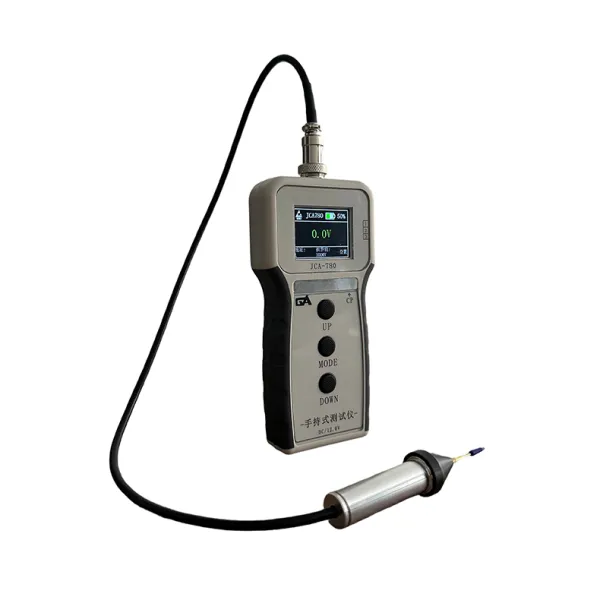 Portable Compact Isolated Conductor Tester - Precise Static Voltage Meter with Touchscreen Operation
 Touch-Operated Handheld ESD Tester - Accurate Static Detection Instrument
 Anti-Static High-Frequency Smart Soldering Station - Industrial-Grade Lead-Free Soldering Iron for Electronic Repair
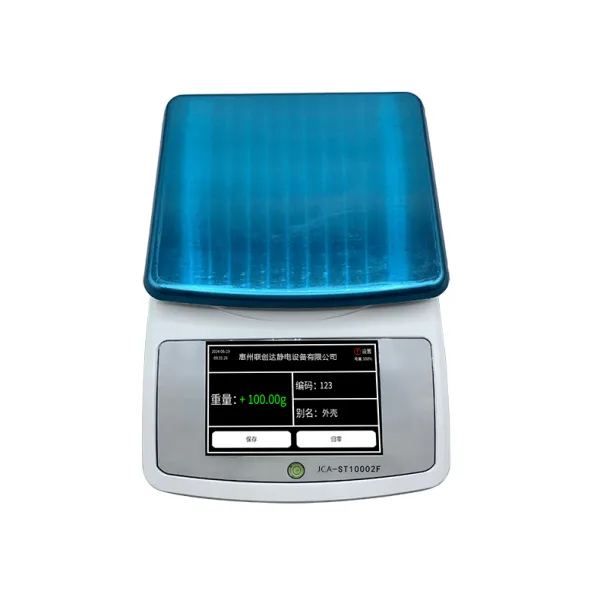 Lightweight Precision Industrial Scale - Portable High-Precision Weighing, QR Code Data Recording
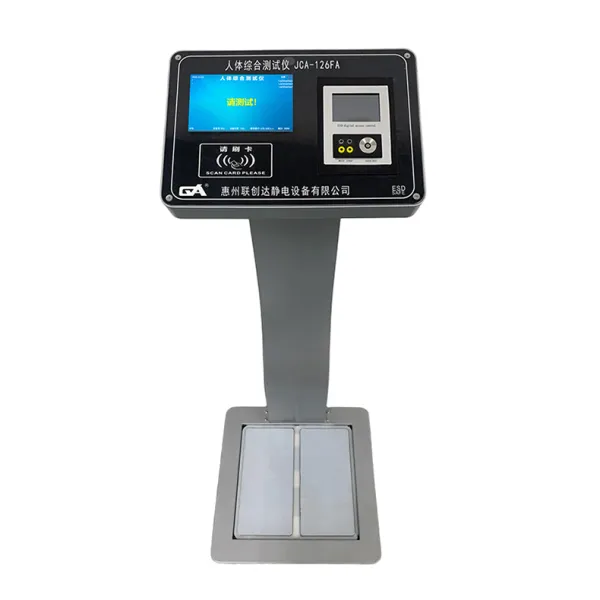 Pro ESD Human Body Comprehensive Tester - Anti-Static Access Gate with Biometric & Card Recognition
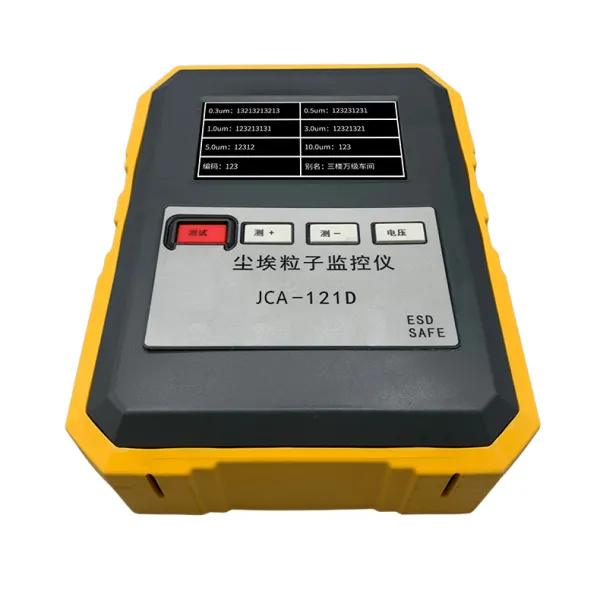 Lianchuangda Portable Particle Counter - Cleanroom-Specific Air Cleanliness Tester
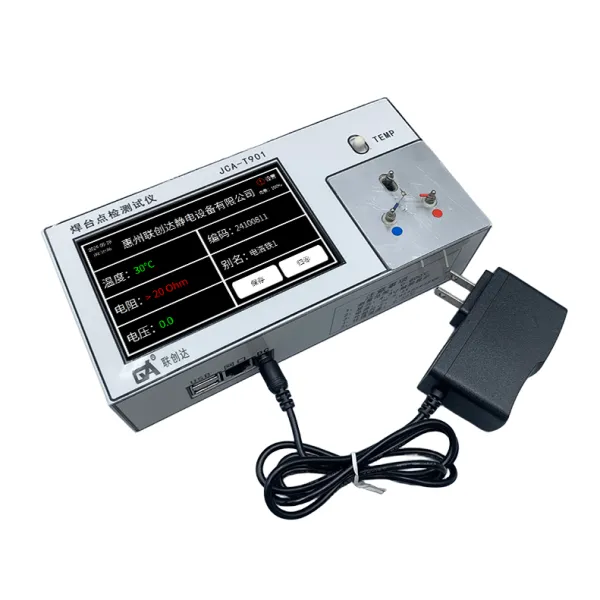 Lianchuangda Environmental Pressure Tester Wireless Digital Display & Grounding Monitoring
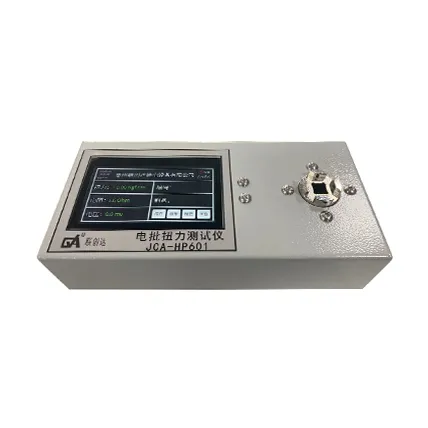 Digital Electric Screwdriver Torque Tester - Precise Measurement, Smart Data Storage
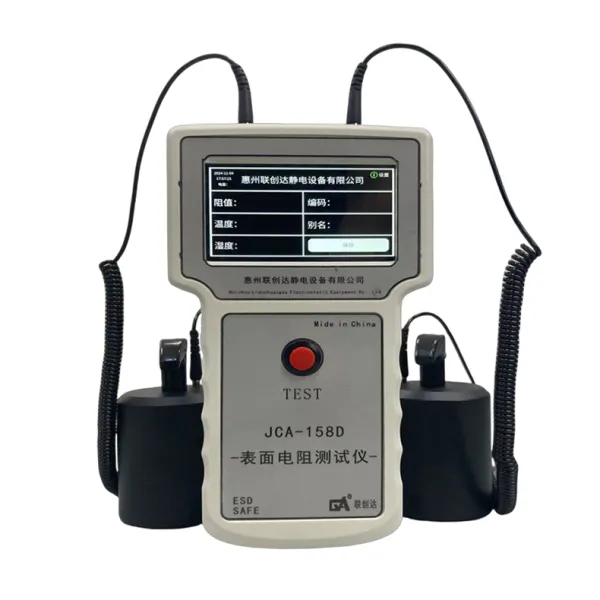 Portable Hammer Surface Resistance Tester - Smart Industrial Megohmmeter with Data Networking
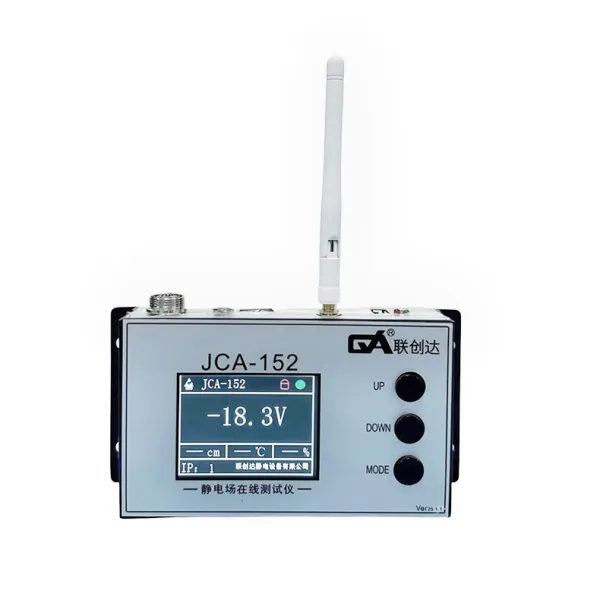 Wireless ESD Field Tester - Real-Time Voltage Monitoring, Easy Installation & Visual Operation
 Color Screen Wireless Ion Fan Static Tester with Voltage Measurement & Data Transmissio
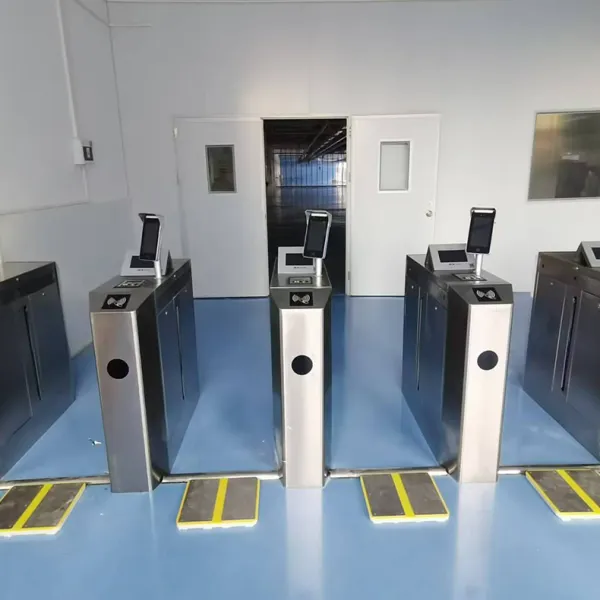 Lianchuangda Test Anti-static Access Control Turnstile JCA-S106 Supports MySQL Database
 Suspended 3-Head DC Ion Fan - Smart Quiet Static Eliminator, Customizable
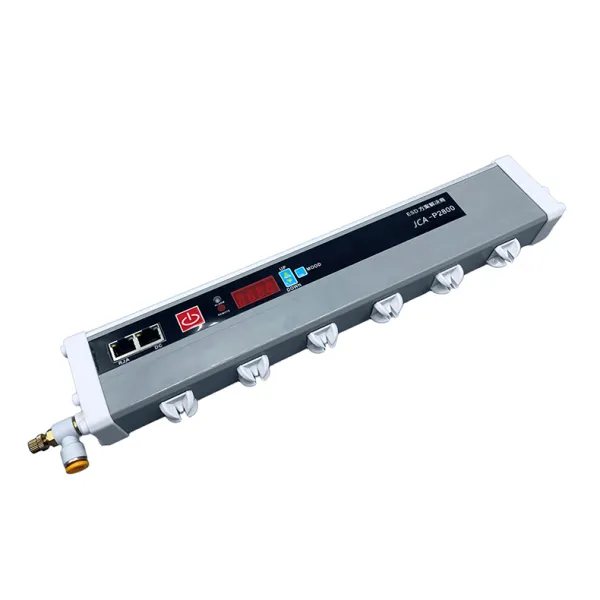 Pulse-Type ESD Ion Air Bar - Industrial-Specific Static Eliminator for ESD Removal
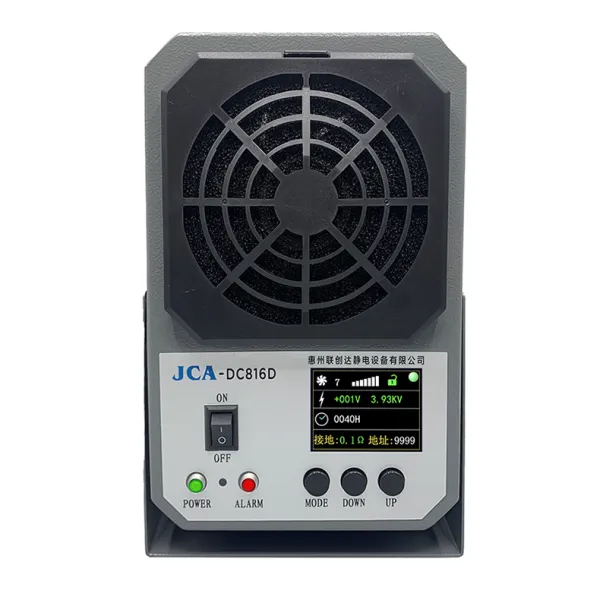 Lianchuangda Smart DC Ion Fan - Industrial-Grade Static Elimination for Factory Workshops
 Desktop DC Single-Head Ion Fan - Professional Static Eliminator with Wireless Network Connectivity
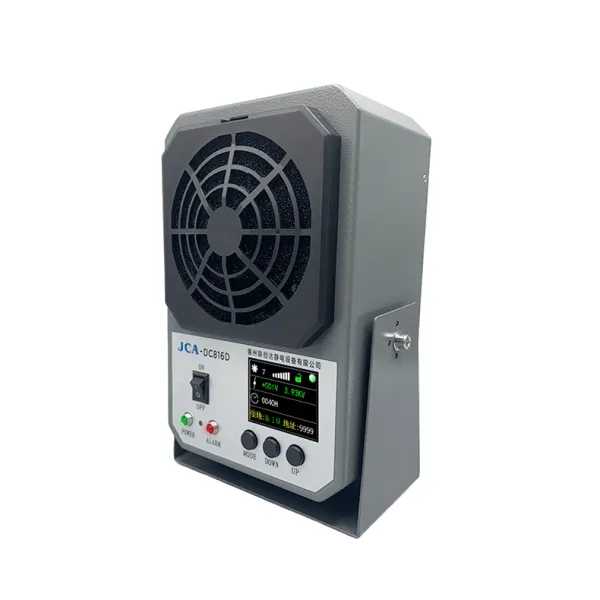 Intelligent DC Ion Fan Manufacturer Workshop Electronic Anti-Static Industrial-Grade Static Elimination Equipment
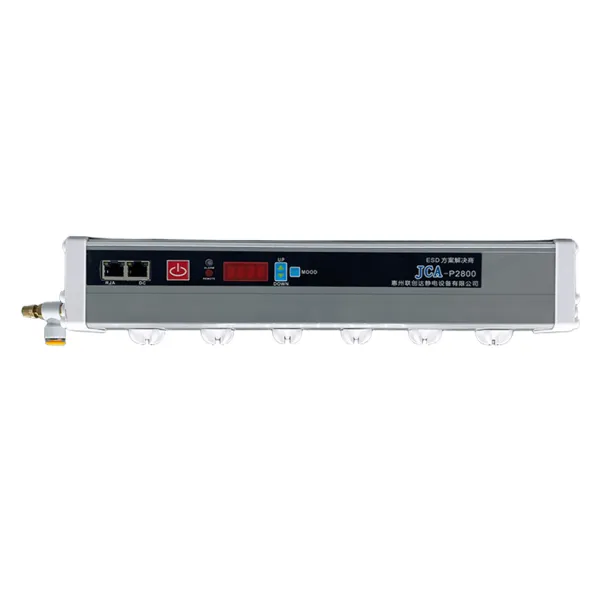 Industrial Static Elimination Pulse-type Anti-static Ion Air Bar Static Eliminator
 2.2-inch color screen three-air outlet ion fan static protection eliminates static electricity
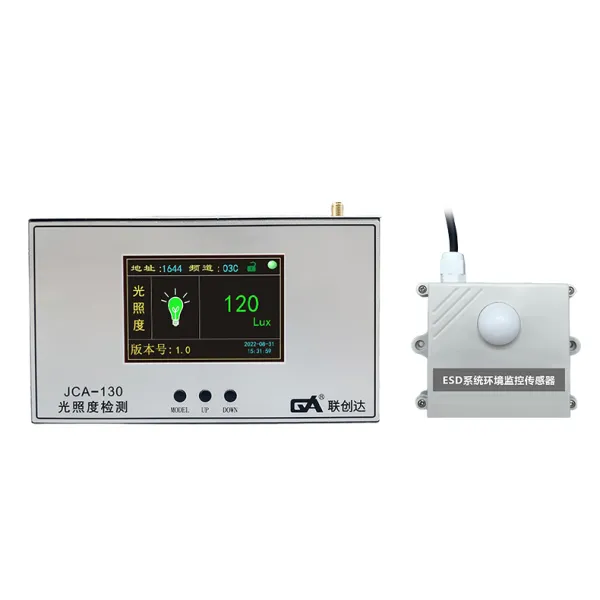 3.5 Inch Color LCD Wireless Digital Lux Meter - High-Precision Environmental Detector with Network Connectivity
 Smart Wireless Noise Detection Alarm System - Digital Tester for Environmental Monitoring with Networking
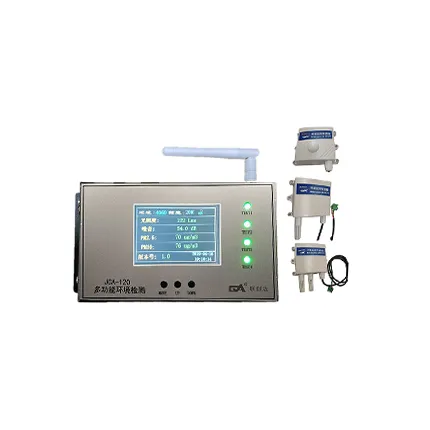 3.5 Inch Color LCD Wireless Multi-Functional Environmental Detector - Dust Particle Tester with WiFi Connectivity
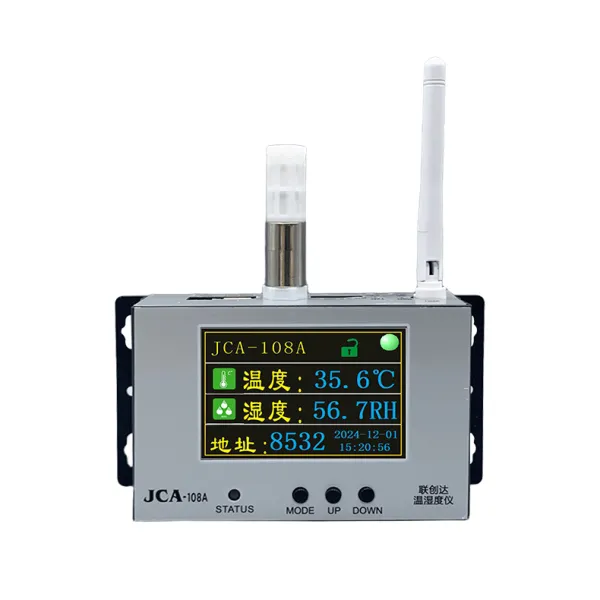 Wireless Temperature & Humidity Monitor - Smart Recorder with Remote Query & Data Transmission
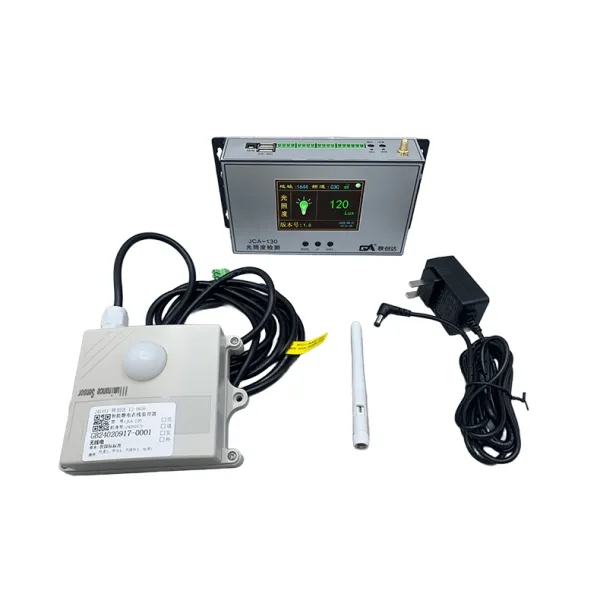 Lianchuangda Wireless Digital Display Illuminance Tester - 3.5-inch LCD Color Screen Dynamic Display High-Precision Environmental Tester



 ワッツアップ
 電話
電話
コメント
(0)